
Holidays to Kenya
Visit Kenya
Kenya is one of those destinations that is difficult to properly describe until you've experienced it for yourself.
It's the feeling of watching a pride of lions in the wild, seeing elephants wandering across the savannah with Mount Kilimanjaro in the distance, or waking up in the middle of the bush knowing there's nothing between you and the wildlife.
But Kenya is so much more than safari. From the buzz of Nairobi to the beaches of the Indian Ocean, dramatic landscapes, incredible wildlife and fascinating local culture, Kenya offers the chance to combine adventure and relaxation in one unforgettable holiday.
Travel Guide
Best Time to Visit: June to October
Currency : Kenyan Shilling (KES)
Average Flight Time: 8.5 Hours
Time Difference: GMT +3 hours
Average Temperatures: 24°C
Best for: Safari, wildlife, adventure, couples and safari & beach holidays
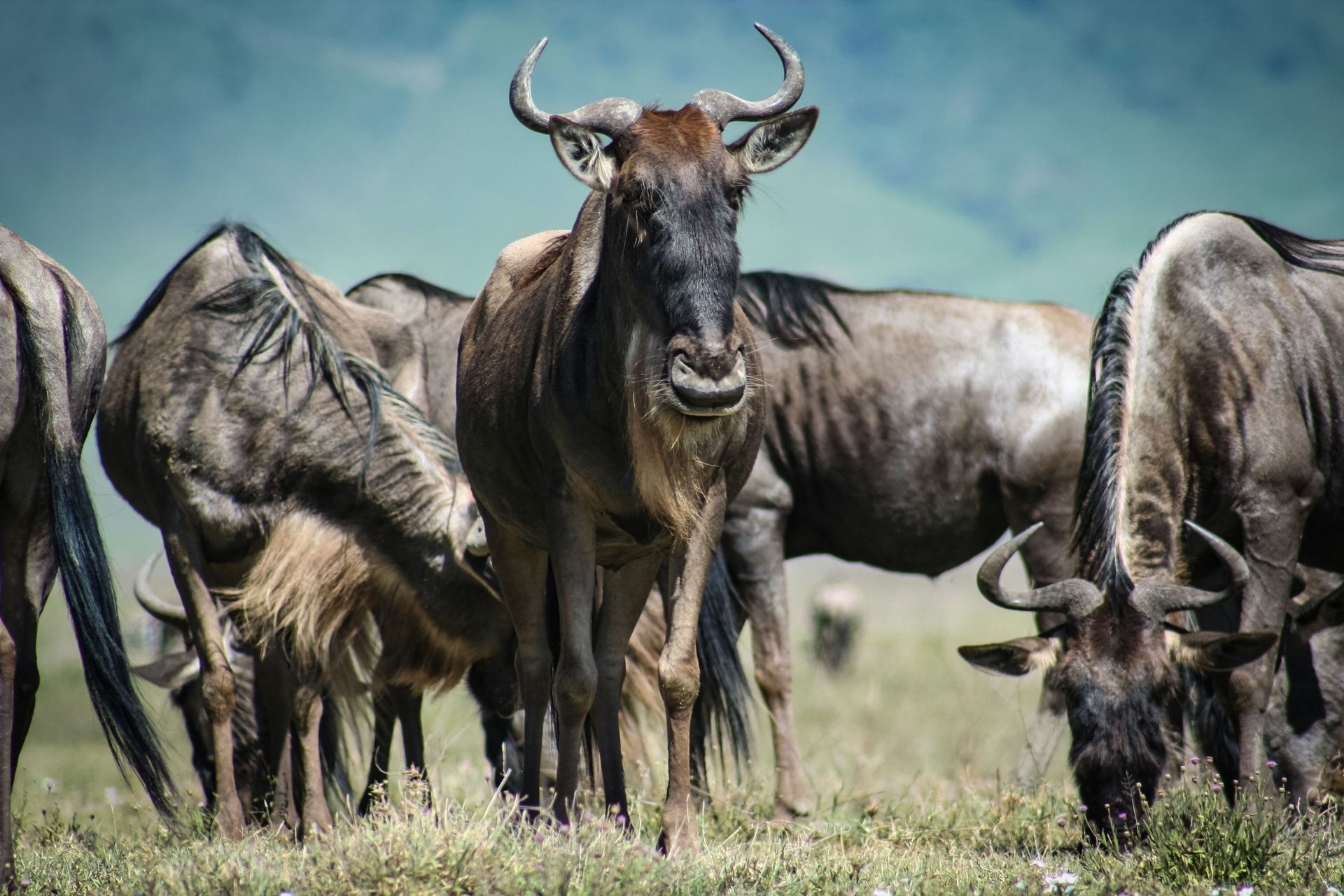
Why Book a Holiday to Kenya
Kenya is one of the best safari destinations in Africa, but what makes it particularly special is the sheer variety of experiences you can have in one trip. One day you could be watching lions across the Maasai Mara. The next, you're surrounded by elephants in Amboseli with Mount Kilimanjaro towering behind them.
Then you can finish your holiday on the Kenyan coast, relaxing beside the Indian Ocean. It's this combination that makes Kenya such a fantastic destination for a tailor-made holiday. And safari doesn't have to mean roughing it. Kenya has everything from traditional tented camps and intimate safari lodges to luxurious properties where you can enjoy incredible food, swimming pools and spectacular views while still being right in the heart of the wilderness.
- See the Big Five in their natural habitat
- Witness the Great Migration in the Maasai Mara
- See elephants against the backdrop of Mount Kilimanjaro
- Combine a safari with a relaxing beach holiday
- Explore Nairobi and experience Kenyan culture
Things to do in Kenya
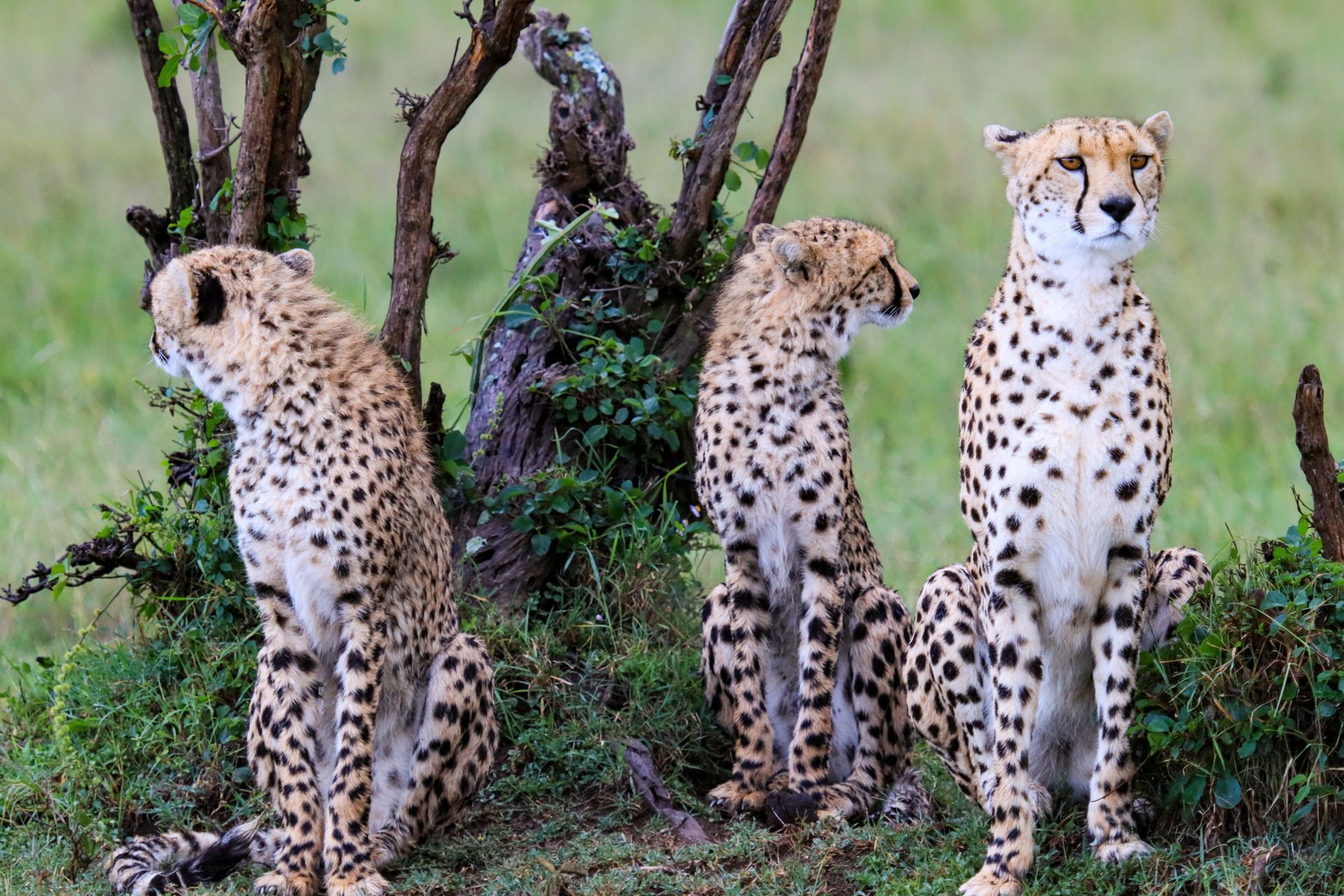
Go on a Safari
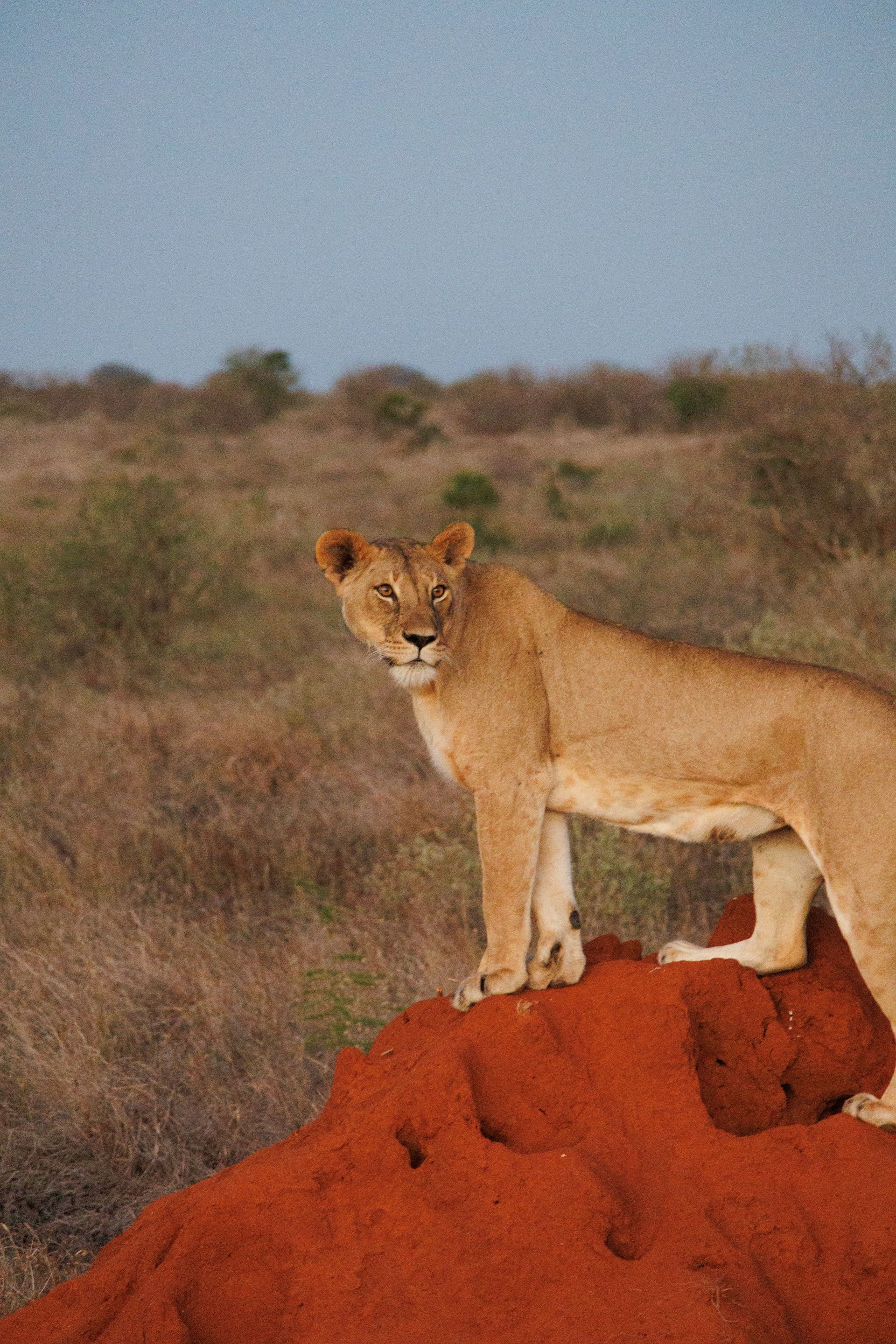
Let's start with the obvious one. A Kenya safari is a bucket-list experience for a reason. The country is home to an incredible range of wildlife, including lions, elephants, leopards, cheetahs, rhinos, giraffes, hippos and countless species of birds.
There's something completely different about seeing these animals in the wild.
It's not a zoo. There's no glass between you and the wildlife. You're simply sitting quietly in a safari vehicle watching nature unfold in front of you.
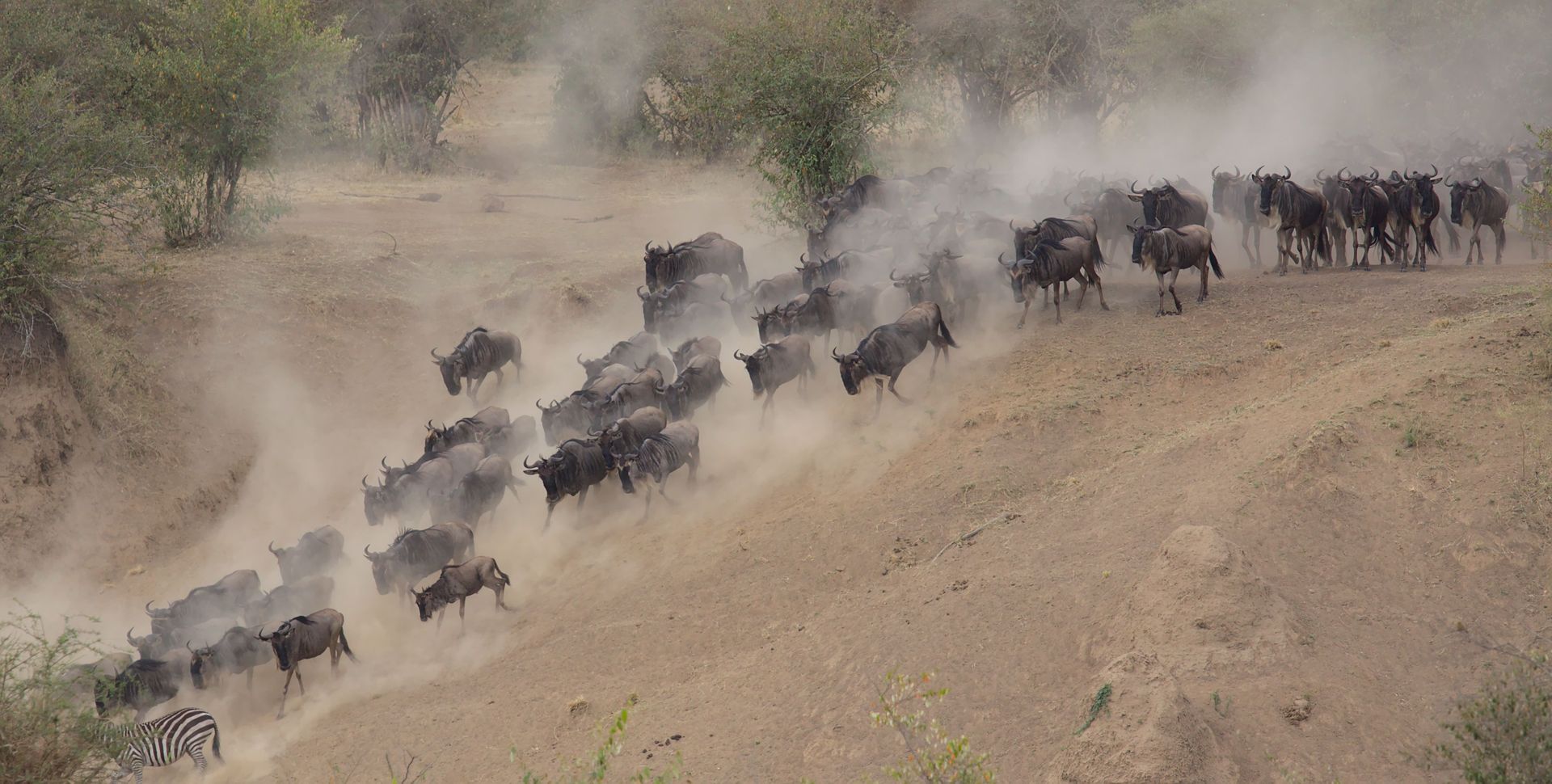
Witness the Great Migration
The Great Migration is one of the world's great natural spectacles. Every year, millions of wildebeest, along with large numbers of zebra and other grazing animals, move through the Serengeti-Mara ecosystem in search of fresh grazing. The migration reaches Kenya's Maasai Mara, with the dramatic Mara River crossings generally taking place between July and October.
August and September can be particularly popular, but nature doesn't work to a calendar. The exact timing of the crossings depends on rainfall and the movement of the herds. If witnessing the Great Migration is on your bucket list, we'd recommend booking well in advance, particularly for peak months.
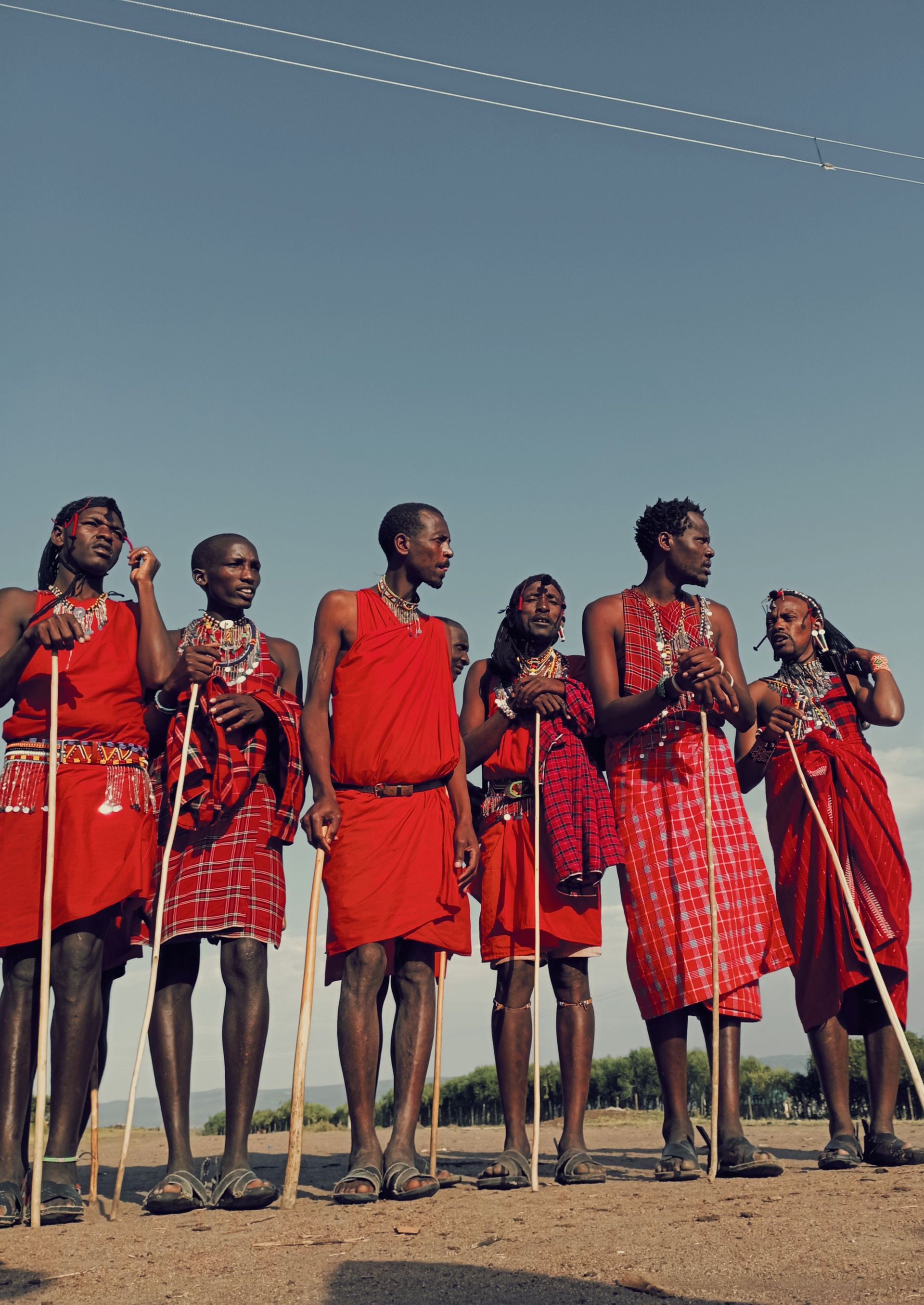
Experience Maasai Culture
Kenya isn't just about the wildlife. The Maasai people are one of Kenya's best-known communities, with a rich cultural heritage that remains an important part of life in the region.
A responsible cultural experience can give you the opportunity to learn about traditional Maasai life, hear stories about the community, discover traditional crafts and experience music and dance.
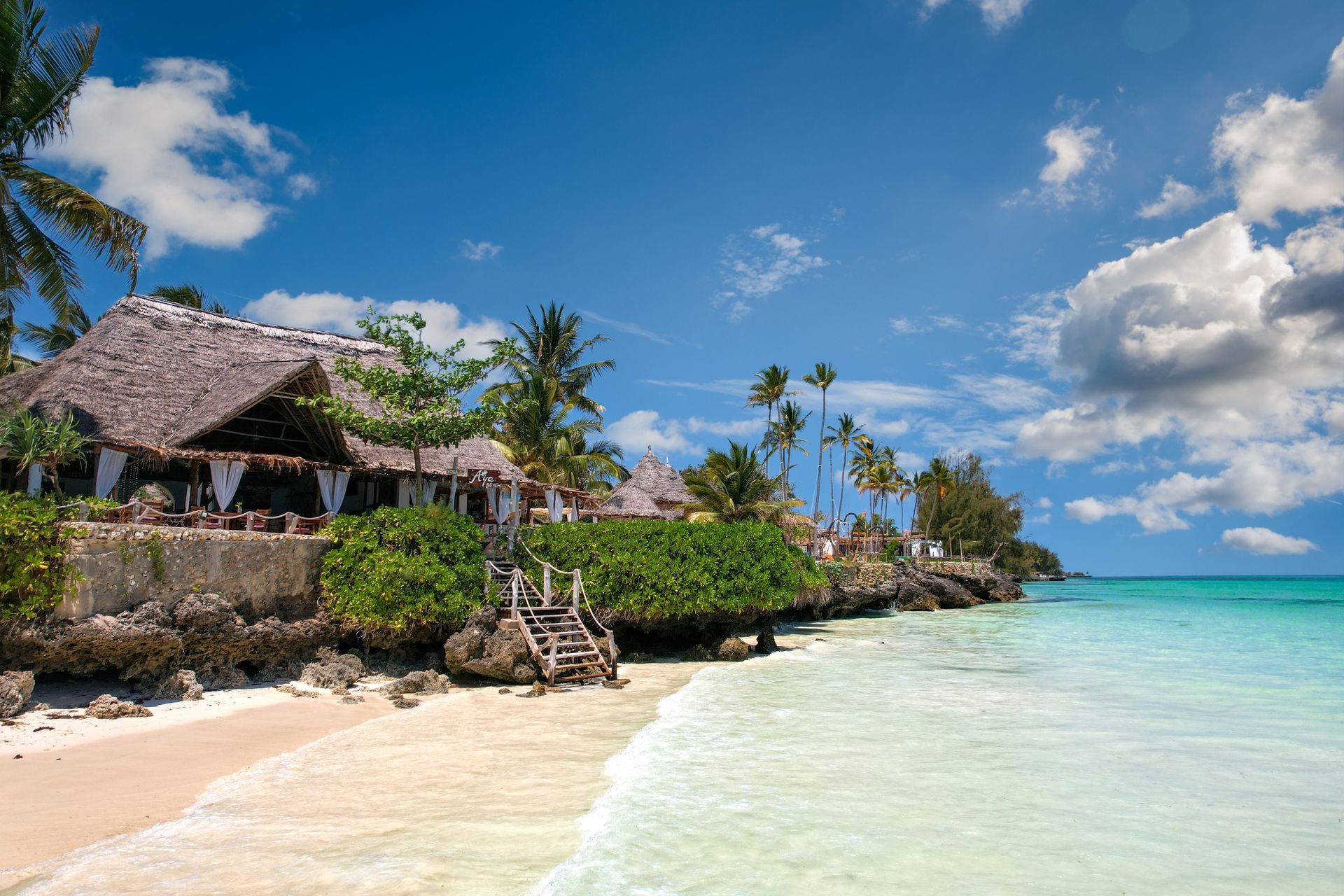
Combine Safari & Beach
Who said you have to go to Africa and spend all your time in the savannah? One of the biggest advantages of choosing Kenya is the ability to combine your safari with time on the Indian Ocean. Spend the first part of your holiday searching for lions, elephants, leopards and rhinos across the savannah.
Then swap the safari vehicle for a sun lounger. The Kenyan coast offers beautiful beaches, warm waters and fantastic resorts, making it the perfect way to finish your trip. Mombasa and the surrounding coastline are popular choices, and we can create itineraries that combine Kenya with other destinations such as Zanzibar too.
Kenya's Best Safari Parks
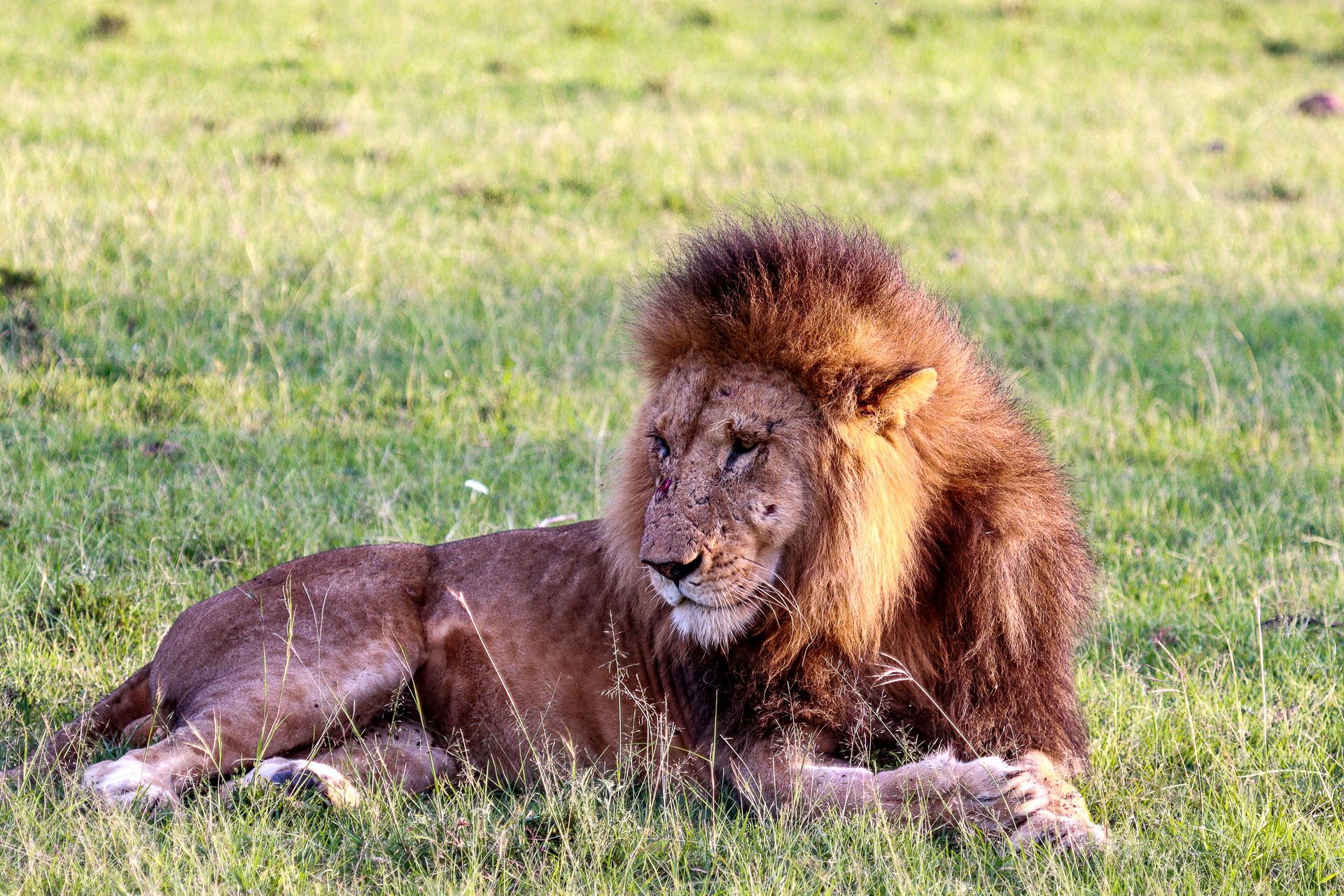
Maasai Mara
Best for: Big cats, the Great Migration and first-time safari travellers.
The Maasai Mara is arguably Kenya's most famous safari destination. It's particularly well known for its incredible concentration of wildlife and offers excellent opportunities to see lions, cheetahs and leopards, as well as elephants, buffalo, giraffes and rhinos.
It's also one of the key destinations for the Great Migration when the herds move into Kenya. The Mara forms part of the wider Serengeti-Mara ecosystem, which stretches across the Kenya-Tanzania border. If you're visiting Kenya for your first safari, the Maasai Mara is one of the destinations we'd strongly consider.
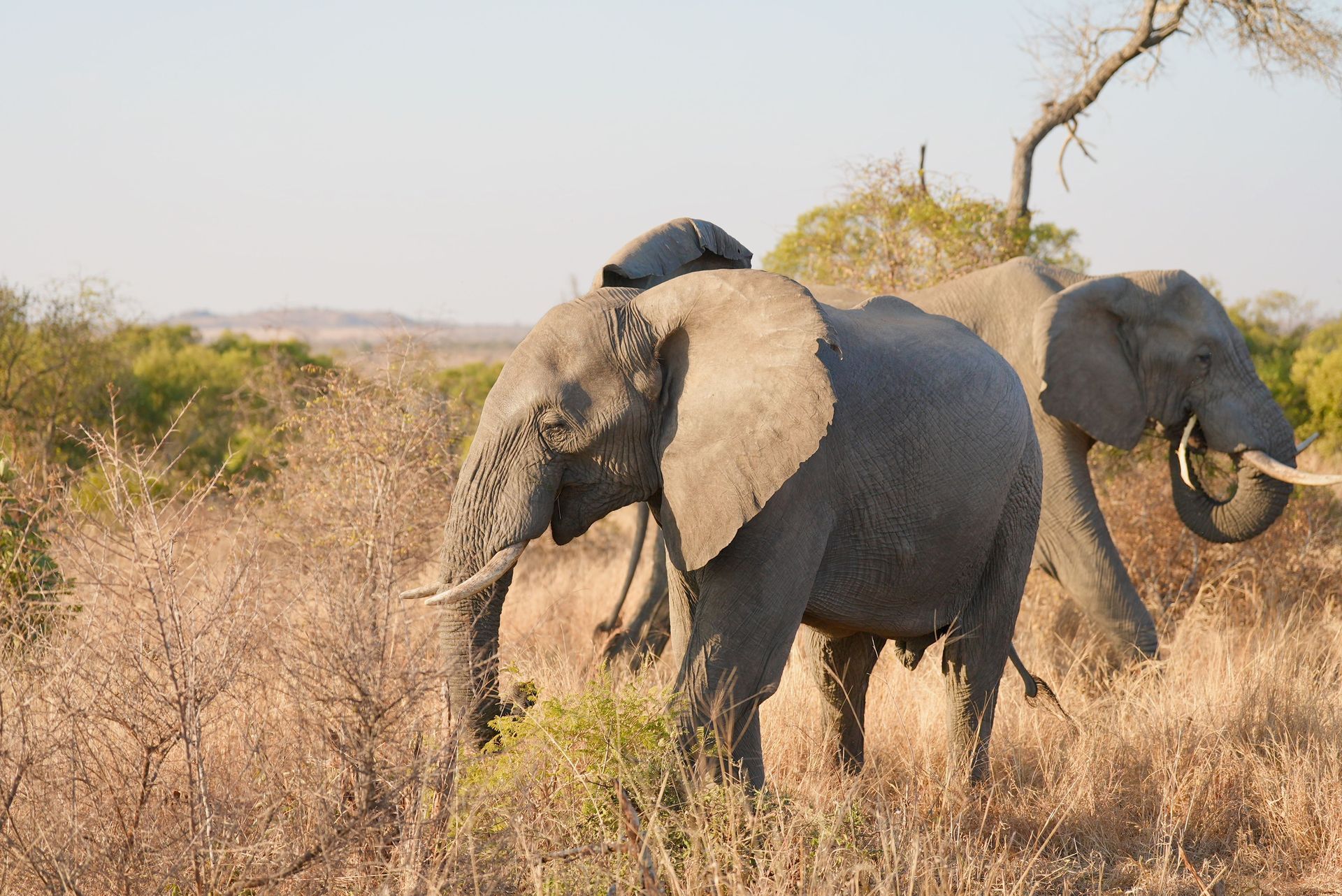
Amboseli
Best for: Elephants and spectacular scenery
Amboseli is famous for one particular view. Elephants wandering across the plains with Mount Kilimanjaro rising dramatically behind them.
It looks almost too perfect. The park is particularly well known for its large elephant population and makes an incredible addition to a Kenya safari.
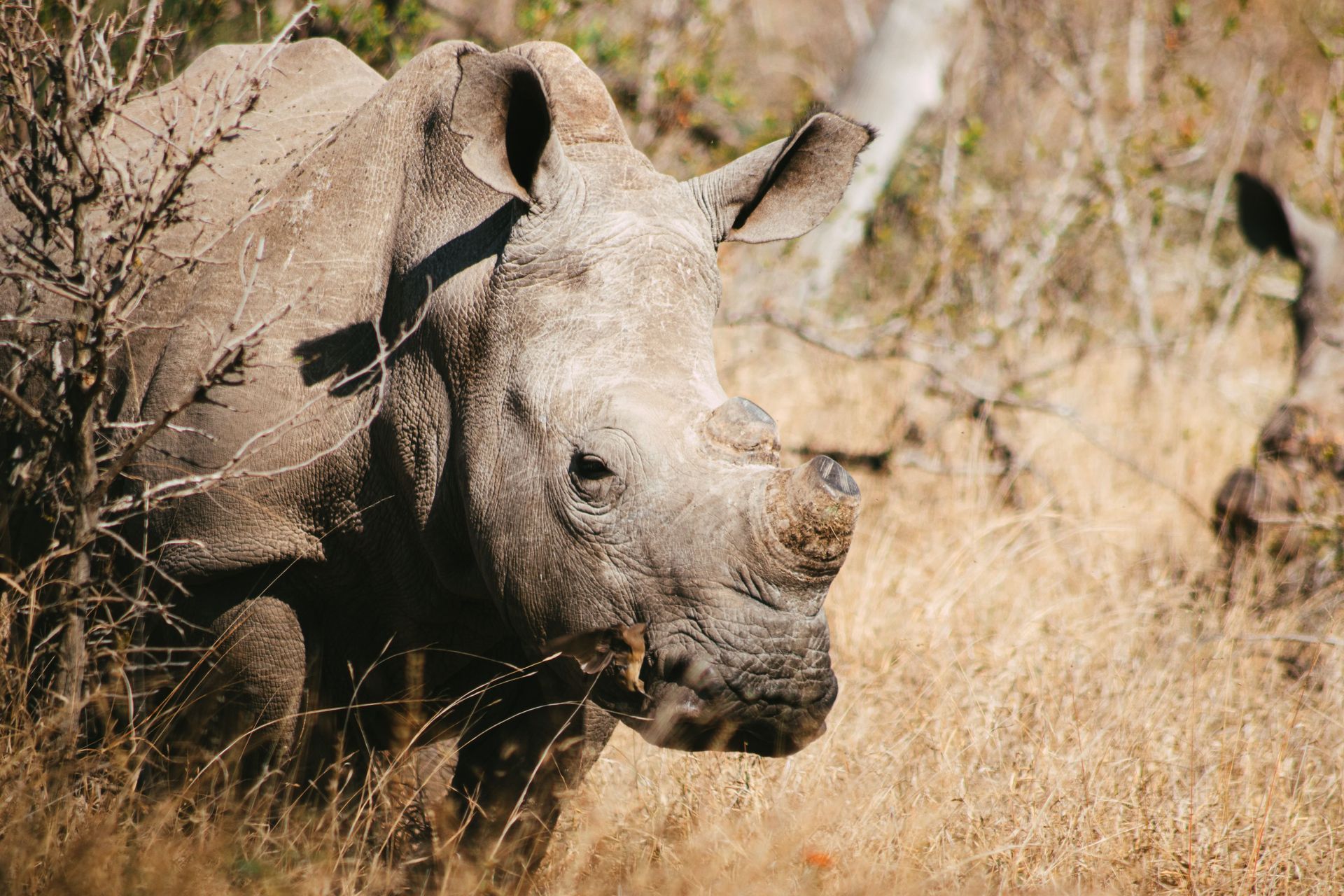
Lake Nakuru National Park
Best for: Rhinos and birdlife
Lake Nakuru offers a completely different safari experience. The park is particularly well known for its birdlife and is an important sanctuary for both black and white rhinos.
The lake is surrounded by woodland, grassland and the dramatic landscapes of the Great Rift Valley. It's an excellent addition to a wider Kenya safari itinerary.
Lake Naivasha
Best for: Hippos and a different type of wildlife experience
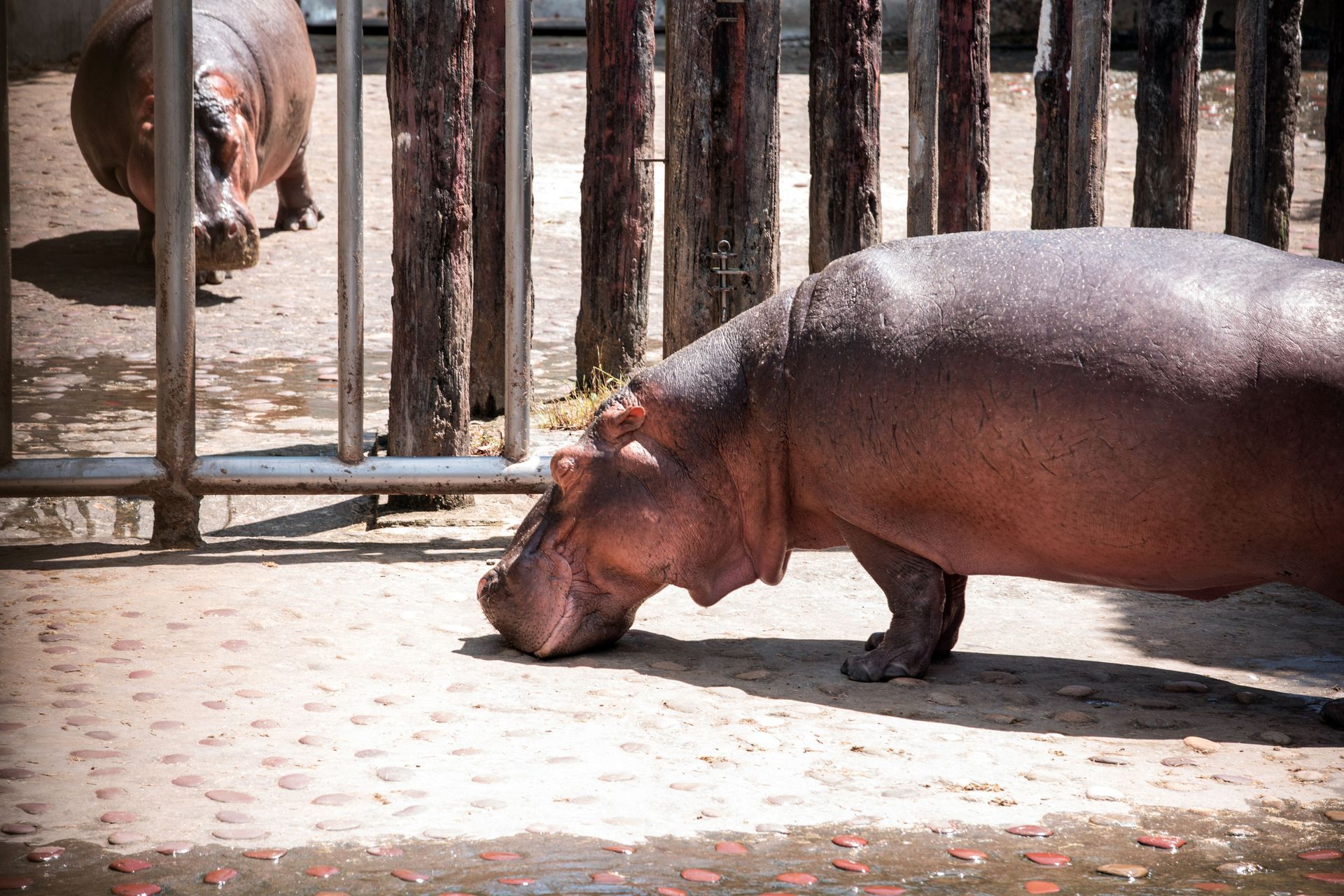
Lake Naivasha offers something slightly different from a traditional game drive. The lake is home to a large population of resident hippos, which spend much of the day resting in the shallow water before moving onto the surrounding shores to graze.
Boat trips can offer a completely different perspective, allowing you to experience the wildlife from the water. It's also a useful stop between other safari destinations.
Nairobi National Park
Best for: Wildlife close to the city
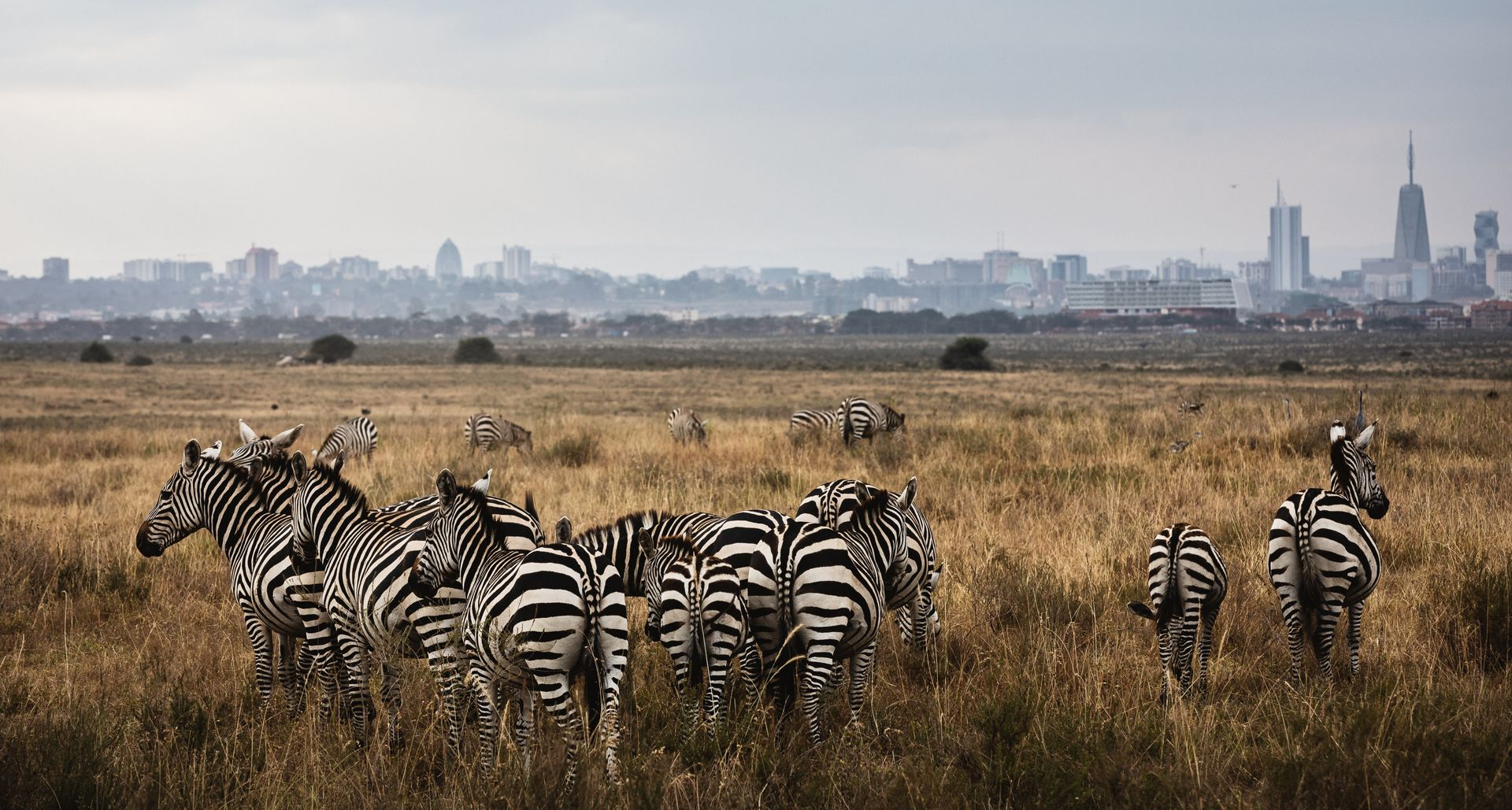
Nairobi National Park is one of the most unusual wildlife experiences in Kenya. Located just outside the capital, it gives you the opportunity to see wildlife with the Nairobi skyline in the background.
You could be watching a giraffe or zebra with skyscrapers in the distance. It feels slightly surreal, and that's exactly what makes it so memorable. It's also a fantastic option if you're short on time and can't fit a longer safari into your trip.
Tsavo East National Park
Best for: Open plains and elephants
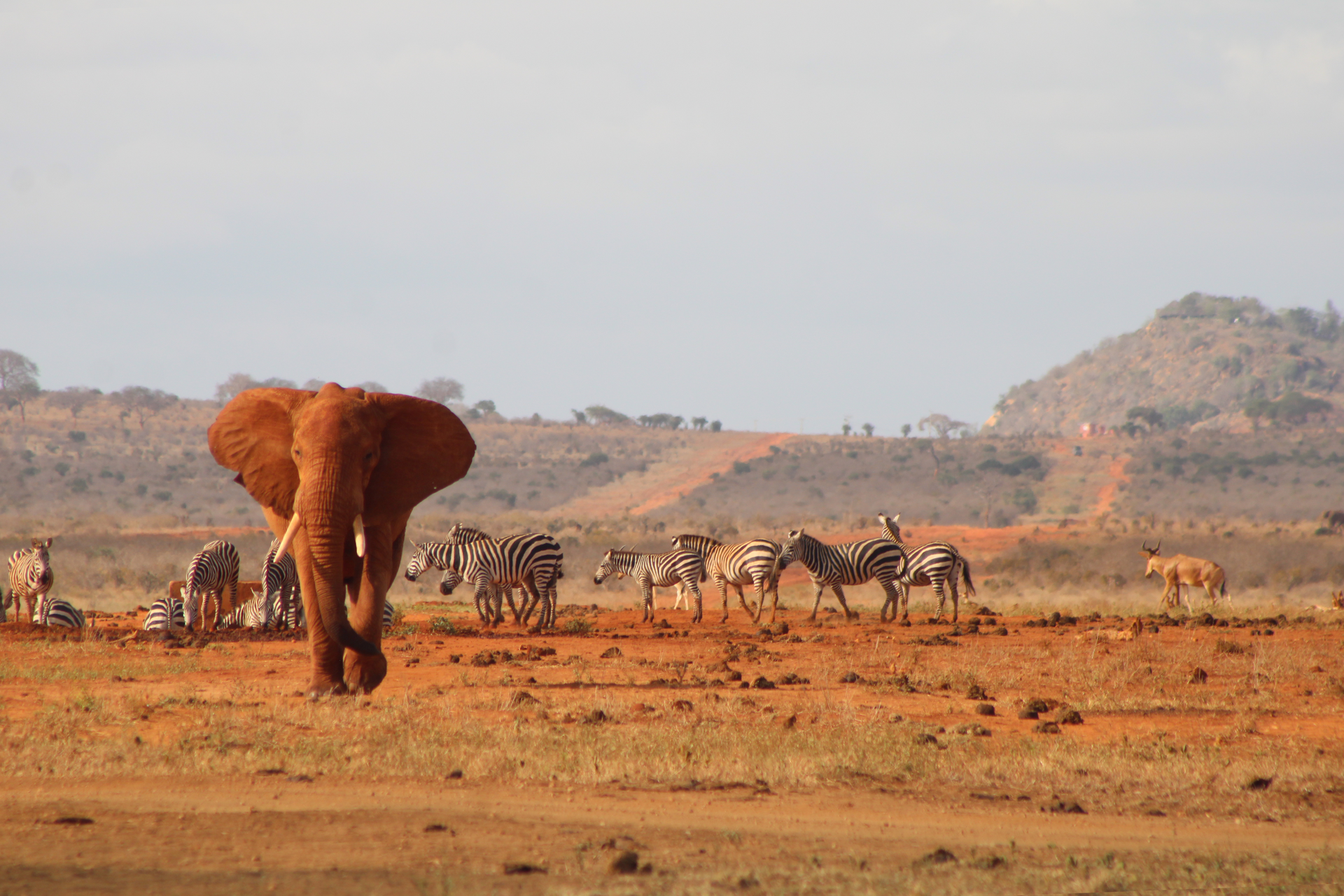
Tsavo East is one of Kenya's largest protected areas and is particularly famous for its vast open landscapes and large herds of elephants. The elephants are often recognisable by the distinctive red dust that coats them after rolling in the volcanic soil.
Its open plains can make wildlife easier to spot, while its sheer size means there's a real feeling of being away from everything. Tsavo East also works particularly well as part of a safari and beach itinerary, especially when combined with Kenya's coast.
Tsavo West National Park
Best for: Landscapes, elephants and a quieter safari experience
Tsavo West is a huge and spectacular national park with an incredibly varied landscape. Think volcanic scenery, open savannah, hills, rivers, palm-fringed areas and enormous skies. One of its highlights is Mzima Springs, where crystal-clear water rises from beneath the volcanic landscape to create lush pools that attract wildlife and birdlife. Tsavo West is also home to the Ngulia Rhino Sanctuary, an important conservation area for black rhinos.
When Is the Best Time to Safari in Kenya?
June to October – Great for Wildlife: The dry season generally offers excellent wildlife viewing, as animals gather around remaining water sources and vegetation becomes less dense. It's also the main period for the Great Migration in the Maasai Mara.
July to October – Great Migration: The famous Mara River crossings generally occur during this period, with August and September often being the busiest months. However, the migration is a natural event and the exact timing changes every year. Peak migration periods can also mean higher prices and busier parks, so travelling slightly outside these dates can be a great option if you'd prefer a quieter safari.
January & February – Newborn Animals: January and February can be fantastic months for a Kenya safari.
The warmer, generally drier conditions provide excellent opportunities for photography and birdwatching, while this time of year can also offer the chance to see newborn animals and predators with cubs.
Safari & Beach Holidays in Kenya
One of the best things about a holiday to Kenya is that you don't have to choose between an incredible safari and a beautiful beach holiday.
Start your trip in the Kenyan wilderness, spending a few days searching for lions, elephants, rhinos and leopards before heading to the coast for some well-earned downtime. It’s the perfect combination of adventure and relaxation, and one of our favourite ways to experience Kenya.
Safari and Mombasa
For the classic Kenya safari and beach holiday, combine the national parks with the coast around Mombasa. After the early starts and exciting game drives, swap the savannah for white-sand beaches, warm Indian Ocean waters and plenty of time to simply switch off. Mombasa also gives you the chance to experience a completely different side of Kenya, with a fascinating mix of African, Arab, Portuguese and Indian influences, historic streets and incredible local food.
Safari and Zanzibar
If you're happy to add another destination to your trip, Kenya and Zanzibar is another fantastic combination. Spend the first part of your holiday on safari before flying across to Zanzibar for beautiful beaches, turquoise waters and the historic streets of Stone Town. It's particularly good for couples and anyone looking to turn a once-in-a-lifetime safari into a proper luxury safari and beach holiday.
FAQs
Is Kenya good for a safari?
Absolutely. Kenya is one of Africa's most famous safari destinations and offers excellent opportunities to see the Big Five, as well as many other species. The Maasai Mara, Amboseli, Tsavo and Lake Nakuru are among the country's best-known wildlife destinations.
When is the best time to visit Kenya?
June to October is generally considered one of the best periods for a Kenya safari, particularly for wildlife viewing and the Great Migration. January and February can also be excellent, especially for newborn animals and birdwatching.
When is the Great Migration in Kenya?
The Great Migration usually reaches the Maasai Mara between July and October. The famous Mara River crossings are often associated with August and September, although the timing varies each year depending on rainfall and the movement of the herds.
Can you combine a Kenya safari with a beach holiday?
Yes, and we'd highly recommend it. Kenya is ideal for combining a safari with a beach stay on the Indian Ocean. Mombasa and the surrounding coast are popular choices, while Zanzibar can also be added for a wider East African itinerary.
Can you see the Big Five in Kenya?
Yes. Kenya is home to lion, leopard, elephant, buffalo and rhino. The Maasai Mara is particularly well known for its big cats, while parks including Amboseli, Lake Nakuru and Tsavo offer excellent opportunities to see a wide range of wildlife.
Is Kenya good for families?
Yes. Kenya can be a fantastic family destination, with wildlife experiences, family-friendly safari lodges, cultural activities and beautiful beaches. We can help you choose an itinerary that works around the ages of your children.
What should I pack for a Kenya safari?
Lightweight, breathable clothing, comfortable shoes, sunglasses, sunscreen, insect repellent and a hat are all useful. A warmer layer is also recommended for early morning game drives, when temperatures can be surprisingly cool.
Do I need a travel adapter for Kenya?
Kenya generally uses Type G electrical sockets, the same three-pin plug used in the UK, so UK travellers will usually not need a plug adapter.